Sometimes, when I write my little posts about words, I imagine you, my reader, kicking the slats out of your bed and screaming, "What? Those aren't even close to the same ________ (words, letters, sounds, whatever)." So this post is for all of you with broken beds and sore throats.Are too!Let's see if I can school ya a little bit on this one. Did you read my post on "Our Father..."? Let's look at the words for father in several different languages. Ancient Indo-European root: p'ter Latin: pater (pronounced pot-air) Old Irish: athir (pronounced AH her) Old English: faeder (pronounced fy-der) German: fadar (pronounced faw-der)Clearly these are all related in terms of sound qualities, but there are also quantitative differences that create distinct languages. Notice the difference in pronunciation between Old Irish and Old English. That's quite a difference. In English, we grabbed the Old Irish th, but we actually pronounce it.A friend of mine does a little doodling under the banner of Pez Martillo. Ah, Pez. I know Pez - that little candy thingy, right? Not unless it is fish-flavored candy! Ancient Indo-European root: peisk Latin: pisces (like the zodiac sign) Old English: fisc Spanish: pezFish < > Pez. On their face, there is little similarity between the English and Spanish variations. But when you look at the whole group together, you see a lot of similarity. That's how linguists go about figuring out the connections and conjecturing what the Indo-European root was. By the way, Pez Martillo is the Spanish name of the... hey, you look it up, I had to. And by the way, I didn't pick the image above just for the perky spokesmodel. Look at what she is sitting on. No, not her bum, the package. Notice the flavor. In German, that would be spelled pfefferminz. How is that for changing the letters around? Hey, wait a minute, pfefferminz. PfeffErminZ. I wonder...
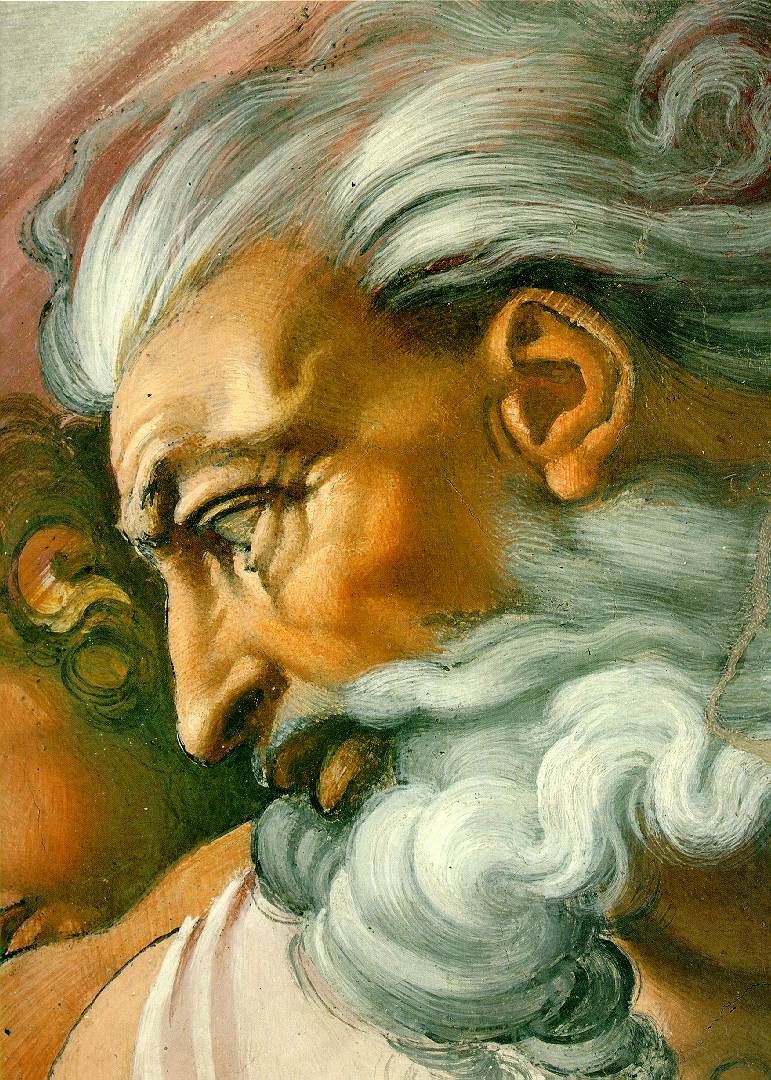 Among the most common IE roots I've come across, root words for "shine" and "blow" seem to be very prevalent and have a lot of modern words that have swum to us across the ages. This post deals with some words for "shne" which come from a peculiar little IE root: dyeu. (You'll notice I don't try to offer a pronunciation for these root words. Why? Two reasons primarily, I don't speak Indo-European fluently and the whole point is that there are root stubs and we're more concerned about the down-stream words they turn into.)
I think you can see that from dyeu we get diary (a record of our lives which happen daily - when the sun is "shining".) Journal also comes from this root. Similarly the French say "bon jour" (good day) and we adjourn our business at the end of (the shining part of the) day. One of my favorites, circadian (about daily), owes it di to dyeu. But this wonderful root takes us much, much further afield than words about life under the shining sun.
The movie, Dead Poets Society, taught us to Carpe Diem (seize the day). Some enterprising Christians modified the term only slighty and printed a popular t-shirt proclaiming Carpe Deum (literally "seize God", meaning, I hope, get connected with God). This shows how similar our words are for (the shining) day and for diety (which also comes directly from dyeu). World travelers will note that the Spanish may wish us "buenos dias" (good day) or they may offer a blessing by saying "adios" (go to/with God). The French say "adieu" (which did little more to the thousands-years-old root than add a meaning "to/with" and turn the original y into an i. Pretty straight forward path.
How do we get from day to diety? The Judeo-Christian tradition starts out by God creating the world in a matter of days. If God creates all that shines, he must - of necessity - shine even moreso Himself. That is the essence of the common religious world "glory". Most religions have a sense of deity and, more often than not, those ideas include references to light, shining, glory, etc.
We have a handful of other god-names in our modern vocabulary that swim down from dyeu. As I said, deity is there and so, too, is divinity and diva (because she acts like she's a god). The old Norse Tyr (change d to t - it's easy to hear, and add an r) is not common to us, but once a week we honor him with a day I like to call Tues-day. Of course, it is not hard to see and hear Zeus in dyeu - he was the chief Greek god. But what about the Romans who come later and gave the weary Greek gods an extreme makeover? The Romans bowed in reverence to their chief god - Jupiter. Do you see how easy dyeu can be written and sounded out as ju? What about the last part, "-piter".
We have a houseful of words with the ancient root p-ter. Maury Povich has found his groove doing paternity tests to determine who is someone's baby daddy. We like to call our soldiers patriotic because they defend the father-land. And orginally, a patron was someone who provided support to artists and craftsmen as if he was their father. Oh my, yes, change the p to an f and, very clearly you have "father". So the Romans told us a lot about themselves when they called their god "God the Father" - or maybe they told us something important about God!


